
NBA Betting Strategies: A Data-Driven Guide to Winning Bets
I remember one particularly brutal NBA playoff game years ago. Fueled by nothing but gut feeling and a star player’s reputation, I threw a hefty sum on a team that ended up getting blown out. That stinging loss was a harsh lesson and a turning point. It forced me to move beyond casual fandom and delve into the world of data-driven NBA betting.
This isn’t your typical “lucky guess” guide. We’re going beyond surface-level advice and diving deep into practical strategies that can actually boost your chances of winning. We will look at numerous bet types, how to dissect statistical data, the importance of understanding game-day situations, and, crucially, how to manage your bankroll. The goal here is simple: to equip you with the knowledge and skills to approach NBA betting not as a gamble, but as a strategic investment. Forget relying on luck; let’s build a roadmap to consistent profits, informed by experience… often gained the hard way.
Decoding Basketball Betting: Essential Bet Types Explained
Moneyline: Picking the Outright Winner
The Moneyline bet is the simplest form of basketball wagering: you’re betting on which team will win the game outright. No point spread, no fancy calculations, just a straight-up pick. The odds dictate the payout. For example, imagine the Los Angeles Lakers are playing the Miami Heat. The Lakers might have odds of -150, while the Heat are at +130. A negative number means you’d need to bet $150 to win $100 on the Lakers. A positive number like +130 means a $100 bet on the Heat would win you $130. The implied probability is calculated from these odds, letting you quickly assess the likelihood of each team winning. I remember one game where I put significant money on a favorite with -200 odds; they were heavily favored but nearly choked in the final minutes and barely pulled out the win – a stark reminder that anything can happen! It’s often best to target matchups where you genuinely believe an underdog has a strong chance, looking for mispriced opportunities. Avoid betting heavy favorites unless you’re confident and content with a smaller payout.
Point Spread: Handicapping the Favorite
The Point Spread aims to level the playing field between two teams. One team, the favorite, is assigned a negative point value (e.g., -5.5 points), while the underdog gets a positive value (+5.5 points). To win your bet on the favorite, they need to win by MORE than the spread. If you bet on the underdog, they need to win outright OR lose by LESS than the spread. Consider this: Spurs are playing against the Mavericks , and the spread is Mavericks -3.5. If you bet on them, they need to win by 4 points or more for your bet to cash. The parameters to consider? Team form, injuries, and head-to-head records are crucial. I will look into this factors to choose the best outcome.
Over/Under (Total Points): Forecasting Combined Scores
The Over/Under, or Totals bet, revolves around the combined final score of both teams. Oddsmakers set a number (e.g., 210.5 points), and you bet on whether the actual combined score will be OVER or UNDER that number. For example, if the Golden State Warriors are playing the Boston Celtics, and the total is set at 215.5, you’re not concerned with who wins; you’re predicting whether the total points scored will exceed or fall short of that number. Teams known for strong defensive play can often lead to UNDER bets hitting, especially if their opponent is also defensively sound. Remember, focusing on defensive-minded teams or matchups where offenses are struggling can give you an edge. Early in the season, I often find inflated totals based on last year’s offensive stats, which can be great opportunities to bet the Under as teams adjust.
Mastering Data: Stats and Analysis for Smart Bets
In the realm of NBA betting, success hinges on more than just intuition. A true betting edge is forged by understanding and leveraging key statistics and analytical approaches. Ditch the gut feelings and embrace the power of data to inform your decisions.
Several advanced stats offer invaluable insights into team performance. Offensive Rating measures a team’s points scored per 100 possessions, while Defensive Rating gauges points allowed per 100 possessions. These metrics provide a more accurate picture of efficiency than simple points per game, as they account for pace of play. A team with a high Offensive Rating and a low Defensive Rating is generally a strong contender.
Pace, defined as the number of possessions a team has per game, is crucial for understanding scoring opportunities. A high-pace team will naturally score more points, but that doesn’t necessarily make them a better team overall. True Shooting Percentage (TS%) factors in free throws, two-point field goals, and three-point field goals to provide a comprehensive measure of shooting efficiency. Instead of just looking at traditional field goal percentage, TS% gives a clearer picture of how efficiently a team is scoring.
Beyond scoring, Rebounding Rate (the percentage of available rebounds a team grabs) is a solid indicator of hustle and physicality. Dominating the boards can lead to second-chance points and limit opponents’ opportunities. Assist Ratio measures the percentage of a team’s possessions that end in an assist, showing how well they share the ball and create open looks. A high Assist Ratio often indicates a well-coordinated and unselfish offense. Conversely, a high Turnover Rate (percentage of possessions that end in a turnover) is a red flag, signaling sloppy play and lost scoring chances.
The key is to use these NBA statistics in conjunction. For example, a team might have a middling Offensive Rating, but if they play at a very slow Pace and have an excellent Defensive Rating, they might be undervalued by the betting market. Or, a team with a high Turnover Rate might be prone to upsets, even if their other stats look good.
These NBA statistics are very usefull in terms of NBA betting and can increase the chances of winning. There are a lot of websites with NBA data analysis and they can be very usefull so do make good use of them.
Key Performance Indicators for Totals Betting
When betting on totals (over/under), Pace and Offensive/Defensive Ratings are key. A fast-paced game between two teams with weak defenses is likely to go over the total. On the other hand, a slow-paced, defensive battle is more likely to go under. Consider the impact of injuries to key players. For example, if a team’s star scorer is out, their Offensive Rating will likely drop, making the under a potentially smart bet. Overlooking such factors can break a successful bet.
Using Advanced Stats to Evaluate Team Strength
When evaluating overall team strength, look beyond win-loss records and focus on the underlying KPI. A team might have a losing record, but if their advanced stats are strong, they could be a good bet against the spread. Be wary of teams that rely heavily on one or two players. If those players have an off night, the entire team could struggle. Remember that even the strongest teams can have weaknesses that can be exploited.
Game-Day Strategies: Situational Factors and Expert Insights
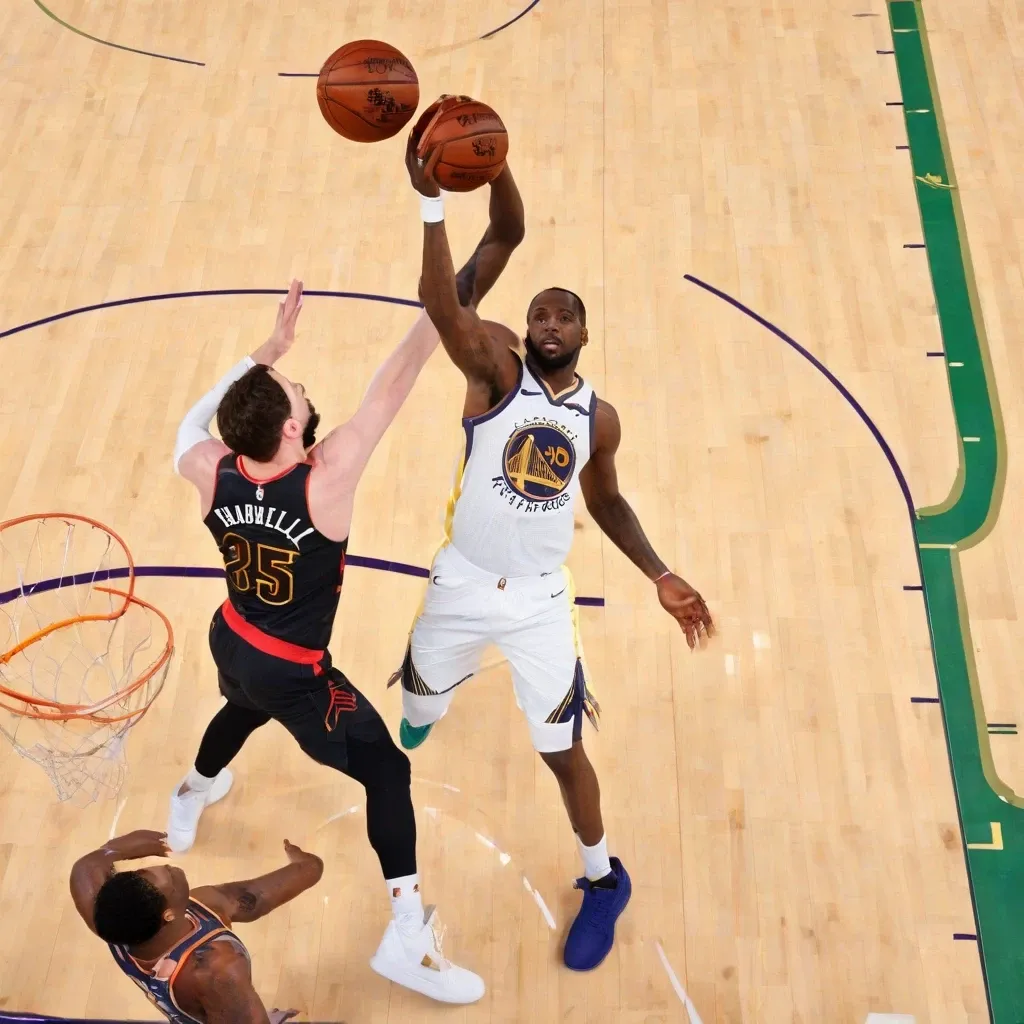
Succeeding in NBA betting requires more than just knowing team records. It’s about digging deep into the often-overlooked situational factors that dramatically impact game outcomes. These factors, when properly assessed, can provide a significant edge. Consider the impact of rest: a team with a significant rest advantage, especially late in the season, often outperforms expectations against a fatigued opponent. Conversely, betting on teams playing back-to-back games, particularly on the road, can be a risky proposition. Their performance often suffers due to exhaustion. Travel schedules also play a crucial role. Teams enduring long road trips may exhibit diminished energy and focus, affecting their play and increasing the likelihood of unfavorable results. Home-court advantage is a well-known factor, but it’s essential to analyze a team’s specific home/away splits. Some teams thrive at home but struggle on the road, while others maintain consistent performance regardless of location. Injury reports are critical. Be aware of key players’ conditions and how their absence or limited participation affects the team’s overall dynamic. Recent lineup changes due to injuries or trades can drastically alter betting lines, presenting opportunities for astute bettors who understand the implications. Finally, delve into head-to-head matchups. Certain teams consistently perform well or poorly against specific opponents, regardless of their overall season record. Integrating these situational factors into betting decisions requires discipline and a keen eye for detail. There were times when I saw the star player was injured and new line up was on the field. I betted on them and won big. On the other hand, I have lost on a sure win just because new team had no time to rest.
Decoding Coaching Schemes and Adapting Game Plans
Winning in betting involves more than just assessing team performance; it requires understanding the strategic minds behind the players. Analyzing coaching schemes and how teams adapt their game plans is often the winning key. Different coaches employ diverse strategies, and a team’s ability to adjust its approach based on the opponent can significantly impact the game’s outcome.
Analyzing Player Matchups for Prop Betting
Prop betting isn’t always about the “best” player; it’s about identifying the most valuable one in a specific context. Start your analysis by pinpointing the players who hold keys for victory in a particular game. Focusing on individual matchups and considering factors like defensive weaknesses and offensive strengths unlocks valuable insights for informed prop betting decisions that can lead to more accurate predictions.
Money Matters: Effective Bankroll Management for Long-Term Success
In the thrilling world of sports betting, it’s easy to get caught up in the excitement of picking winners. However, savvy bettors understand a crucial truth: bankroll management is just as, if not more, important than choosing the right team. Think of your bankroll as the fuel that powers your betting journey. Run out of fuel, and you’re stranded, regardless of how accurate your predictions might be.
A cornerstone of sound bankroll management is unit sizing. This simply means determining a standard bet size, typically 1-3% of your total bankroll. For example, if you start with $1,000, your unit size should be between $10 and $30. This approach ensures that a losing streak won’t wipe you out. As your bankroll grows, adjust your unit size accordingly. If it shrinks, decrease it proportionally. Imagine someone betting $500 on a single game with that same $1,000 bankroll – that’s a recipe for disaster. A much better approach would be spreading that $500 across multiple games, adhering to the 1-3% unit sizing rule.
Another critical principle is to avoid chasing losses. We’ve all been there – a bad beat makes you want to recoup your money immediately by placing an even bigger bet. However, this is almost always a mistake, leading to reckless decisions and further losses. I remember once, early in my betting journey, I ignored this rule after a particularly frustrating loss. I doubled my usual bet on a hunch, and predictably, it didn’t pay off. The sting of that loss was far greater than the initial one, and it taught me a valuable lesson about discipline.
Finally, treat sports betting like a long-term investment, not a get-rich-quick scheme. Set realistic win/loss limits for each session or month. When you reach those limits, walk away, regardless of how good you feel or how tempting the next bet might be. There are apps available that can help you track your bankroll, monitor your betting activity, and visualize your progress. Remember, responsible gambling is the key to enjoying the thrill of sports betting without risking your financial well-being.
Avoiding Common Pitfalls: Mistakes to Sidestep on Your Betting Journey
Even seasoned bettors stumble sometimes, falling prey to the same mental traps. Recognizing these common pitfalls is the first step to consistently improving your betting strategy and protecting your bankroll. Learn from the mistakes others have made, and build a more resilient and profitable approach for yourself.
Betting with Your Heart (Fandom Bias): As a die-hard football fan, I’ve definitely overestimated my favorite team’s chances due to pure hope. During one season, blindly betting on them every week resulted in significant losses, it was a hard lesson in separating emotion from objective analysis. The thrill of cheering them on clouded my judgment. Now, I acknowledge my bias upfront and force myself to consider the opposing team’s strengths objectively.
Chasing Hot Streaks: There have been many times when I’ve seen a handicapper on a hot streak and blindly followed their picks, thinking it was a sure thing. But inevitably, those streaks end, demonstrating you can’t rely on someone else’s temporary success, create your own betting plan.
Over-Reliance on Parlays: The allure of a big payout from a parlay is strong, but I learned the hard way that adding more legs significantly decreases your chances of winning. I can recall one 5-leg parlay that involved low odds, where four games hit, only to be busted with the last game of the night. The high of almost winning turned quickly into frustration. Now, I mostly stick to singles or, at most, a 2-leg parlay, focusing on higher probability bets.
Failing to Shop for the Best Lines: I used to place bets with the first sportsbook I found, not realizing how much money I was leaving on the table through inferior lines. If the odds are -110 at one book and -105 at another, over time, these small differences add up. Line shopping can noticeably improve your betting profitability over time.

Level Up: Advanced Techniques for Experienced Bettors
Ready to move beyond basic betting strategies? Experienced bettors seek an edge by diving deeper into the nuances of the game. This means understanding subtle shifts, exploiting overlooked opportunities, and developing a data-driven approach.
Understanding Line Movement: Line movement reveals a story. Significant shifts often indicate new information – an injury, a weather change, or simply a large influx of money on one side. Savvy bettors track these movements across multiple sportsbooks, looking for discrepancies and potential value. Monitoring line movement often involves dedicated software or websites which aggregate real-time odds from various sources. Sharp bettors react quickly to these changes, capitalizing on temporary advantages before the market fully adjusts.
Identifying Sharp Money: “Sharp money” refers to bets placed by sophisticated, often professional, bettors. Identifying their influence is crucial. Look for sudden, significant line movements, particularly on less popular events. A steam move – a rapid line change across multiple books – can be a strong indicator. Following the money isn’t a guaranteed win, but it provides valuable insight.
Creating Your Own Betting Models: Building a betting model doesn’t require a PhD. Start simple. Focus on key performance indicators (KPIs). For an NBA model, consider points per game, rebounds, assists, and opponent statistics. Assign weights to each factor based on their predictive power. Publicly available data and basic spreadsheet software are sufficient for building a rudimentary model. The goal is to identify discrepancies between your model’s projected outcome and the sportsbook’s odds.
Exploring Niche Prop Markets: Mainstream markets are often efficiently priced. Niche prop bets – player props, game props, or even obscure statistical occurrences – can offer an edge due to less market attention and potential mispricing, like “Will a specific player score a 3-pointer in the first 5 minutes?” or “Total passing yards for a quarterback in an obscure college football game.”
Utilizing Live Betting Opportunities: Live betting offers dynamic opportunities, but also heightened risk. Odds fluctuate rapidly based on in-game events. Success requires quick thinking, immediate access to real-time data, and a strong understanding of the sport. However, remember the house always has the edge, and the odds change rapidly, demanding constant vigilance and potentially leading to impulsive decisions.
Conclusion
In the unpredictable arena of NBA betting, definitive wins are never guaranteed. However, integrating data-driven strategies, comprehending team dynamics, and managing your bankroll prudently can collectively tip the odds in your favor. These aren’t magic formulas, but rather calculated approaches refined over time.
From my own experiences navigating the ebbs and flows of sports betting, I’ve learned that the most significant edge comes not from inside information, but from disciplined analysis and a commitment to continuous learning. It’s about making informed decisions, understanding the inherent risks, and viewing betting as a long-term investment rather than a quick win.
I’m always eager to share insights and further refine these strategies. Your feedback is valuable! Feel free to share what resonated with you from this article and what other areas of basketball betting you’d like to explore. Let’s elevate our betting game together! And consider following for further insights, where we delve even deeper into the art and science of profitable sports wagering.